01
Clear source of each claim
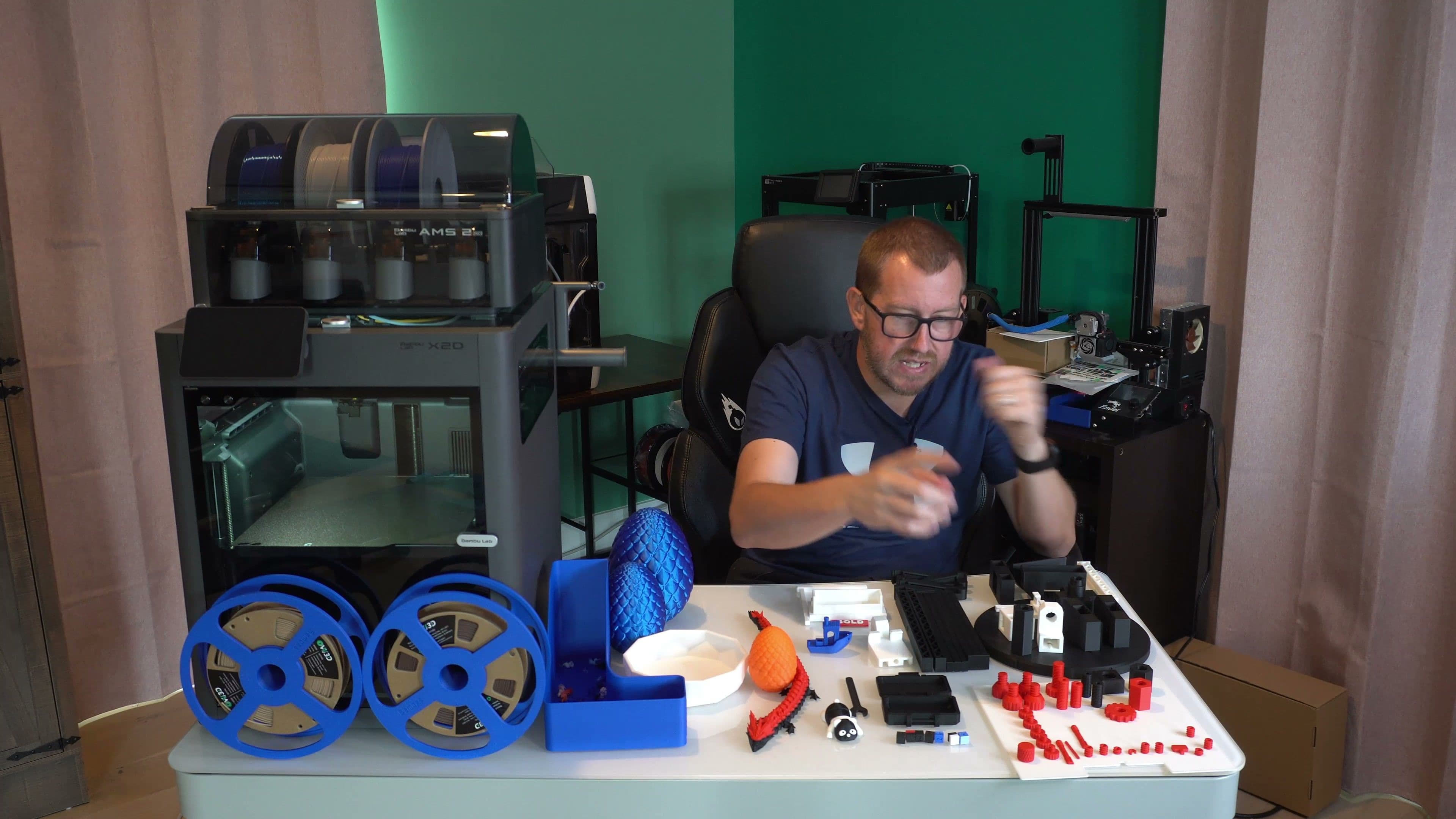
A page should make it clear whether a point comes from hands-on use, an observation shown in a video, manufacturer documentation, or general guidance. Those are not treated as the same thing.
Editorial standards
The goal is simple: help you make a better printing decision with clear context—not a vague score, a press release, or a list arranged around affiliate payouts.
01
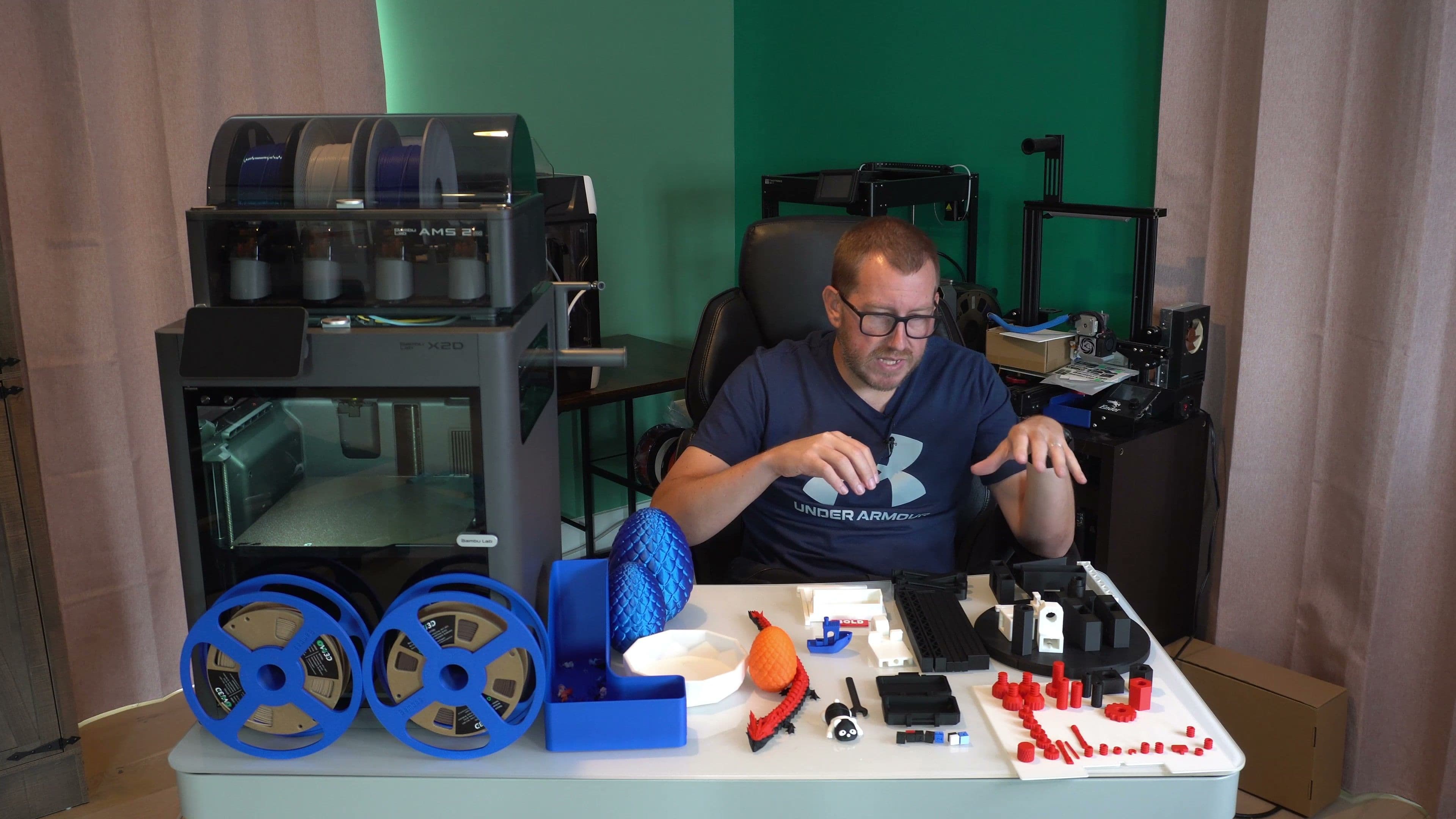
A page should make it clear whether a point comes from hands-on use, an observation shown in a video, manufacturer documentation, or general guidance. Those are not treated as the same thing.
02
Setup guides focus on what a maker needs to do next. Reviews explain the strengths, limitations, and workflow friction that matter for a particular type of owner.
03
A recommended printer or product should have a defined use case, a reason it fits, and a limitation or reason to choose something else. Popularity alone is not enough.
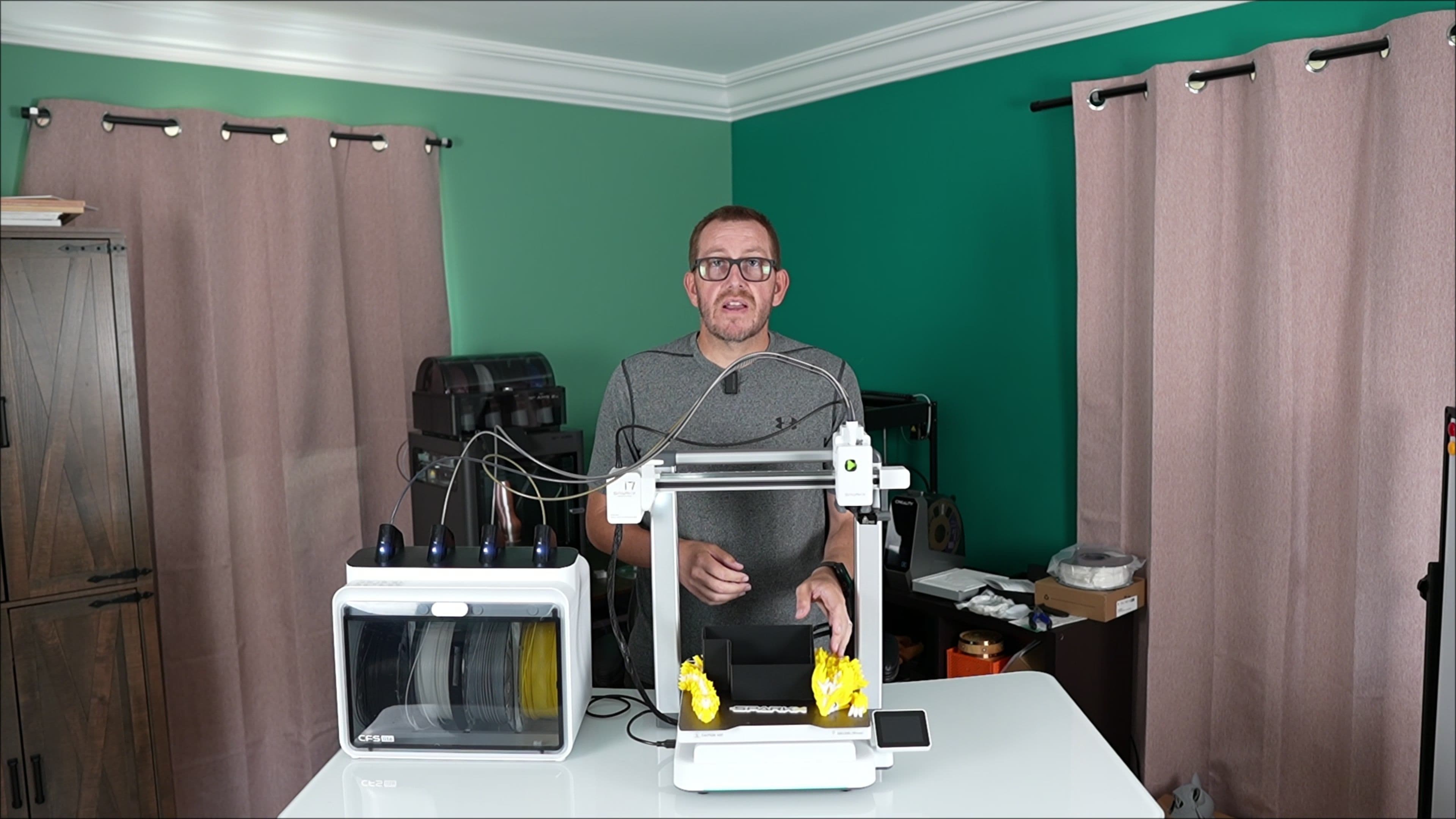
When an article is based on a 3DPrintscape video or direct use, it should identify what was actually set up, printed, scanned, or observed. A first look is kept separate from a one-week or longer-term review so readers can see the context behind a conclusion.
Not every current product has been used by 3DPrintscape. Catalog and buying-guide coverage can still be useful when it is grounded in official documentation, but it is labeled as research rather than presented as a hands-on verdict. Incoming products are identified as incoming until testing is complete.
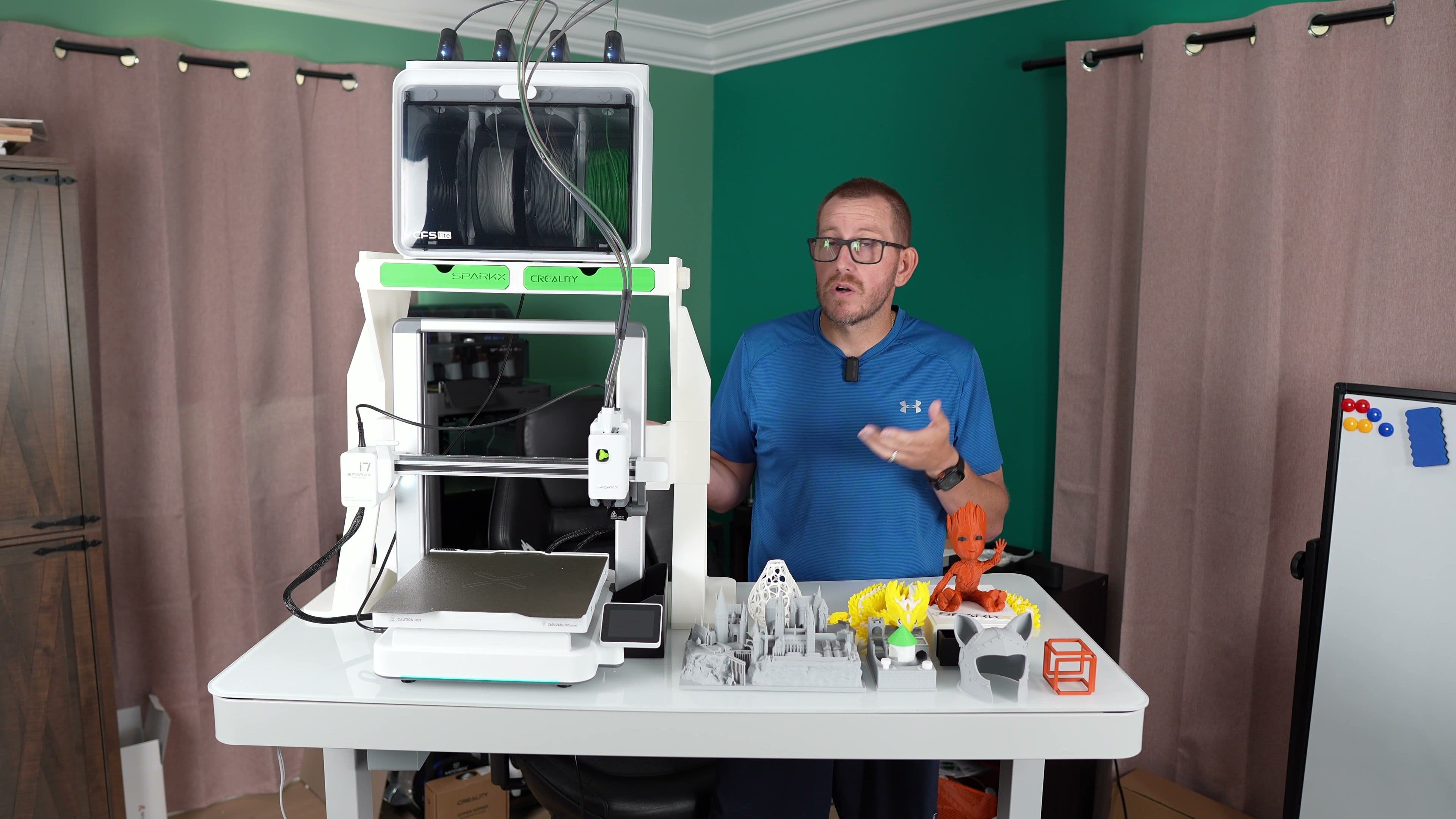
The questions depend on the product, but the useful details are usually the real workflow: setup and calibration, materials and software, print or scan results, repeatability, limitations, and what becomes frustrating after the initial excitement wears off.
A product can be a good fit for one maker and still be the wrong choice for another. Reviews and buying guides aim to say who a product is for, who should skip it, and what tradeoff comes with the recommendation.
Affiliate transparency
Some purchase links are affiliate links and may earn 3DPrintscape a commission at no extra cost to you. When available, direct-vendor links are prioritized, with Amazon offered as an additional option rather than the default.
Fixed prices are not displayed because availability and promotions change. A link should take you to the current offer, while the guide explains why the product may or may not fit your needs.
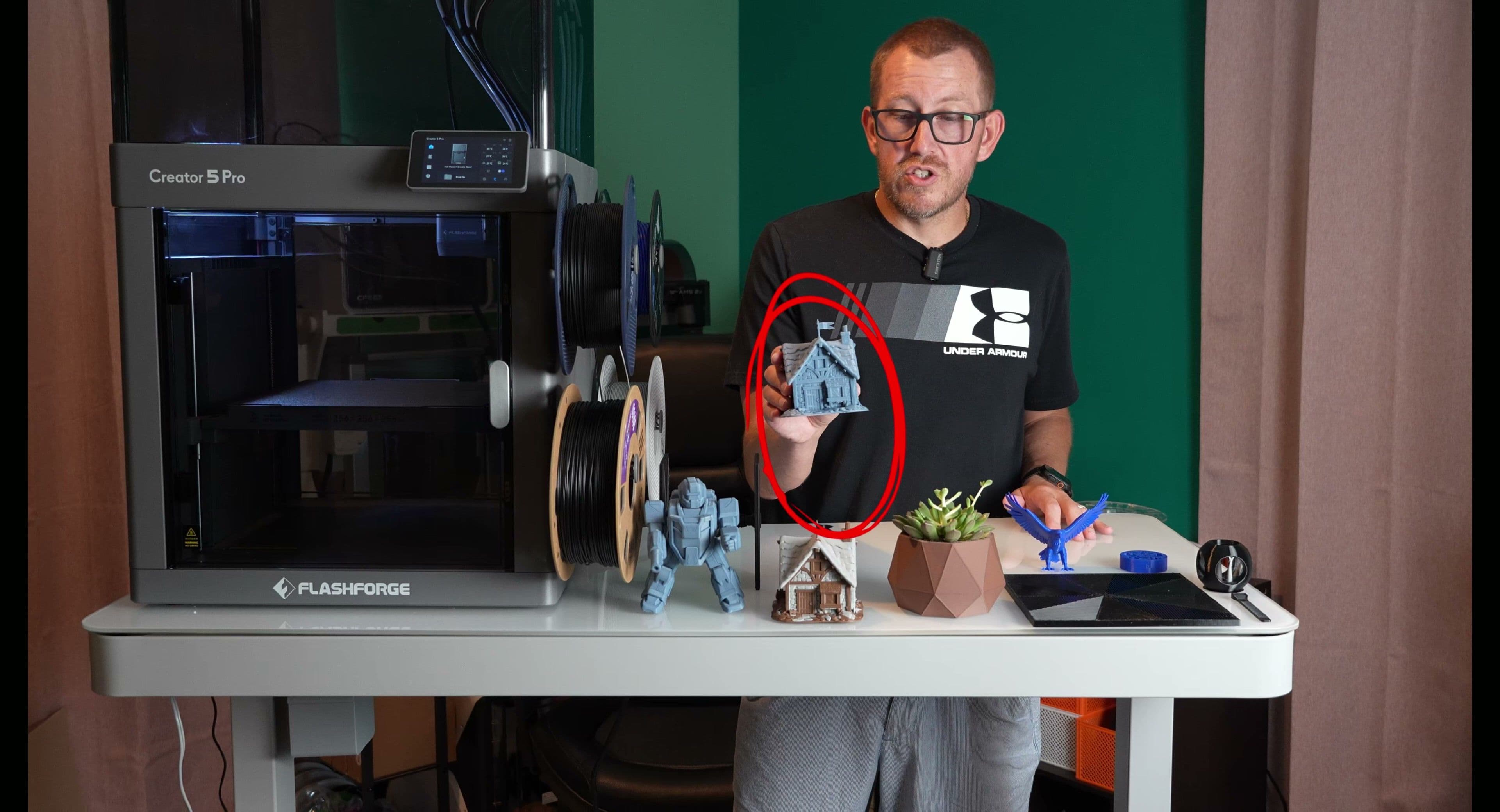
Video companion articles are built to stand on their own: they should include the source video, practical detail from the work shown, relevant visuals, and the next guide or tool that helps a reader act. They are not meant to be thin transcripts.
If information changes, pages can be updated and recommendations revisited. If you find an error, a broken link, or a detail that needs clarification, please get in touch so it can be checked.